| 正面 | 13154.arsenic 英 ['ɑːs(ə)nɪk]美 ['ɑrsnɪk]     |
|---|---|
| 背面 |     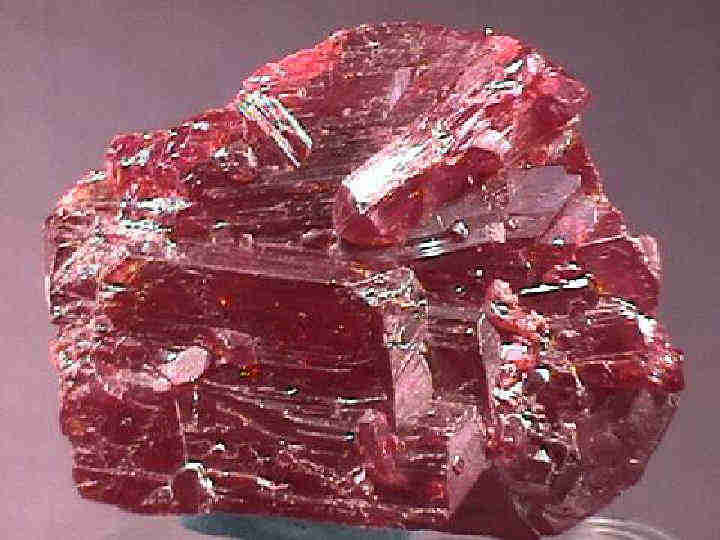 释义: 1. nose => sneeze.n. 砷;砒霜;三氧化二砷adj. 砷的;含砷的 例句: 1. His wife poisoned him with arsenic.他的妻子用砒霜把他毒死了. arsenic 砷,砒霜词源略。可能受词根ard的影响,因砷可燃。 arsenicarsenic: [14] The term arsenic was originally applied to the lemon-yellow mineral arsenic trisulphide, and its history reveals the reason: for its appears to be based ultimately on Persian zar ‘gold’ (related forms include Sanskrit hari ‘yellowish’, Greek khlōros ‘greenish-yellow’, and English yellow itself). The derivative zarnīk was borrowed into Arabic as zernīkh, which, as usual with Arabic words, was perceived by foreign listeners as constituting an indivisible unit with its definite article al ‘the’ – hence azzernīkh, literally ‘the arsenic trisulphide’.This was borrowed into Greek, where the substance’s supposed beneficial effects on virility led, through association with Greek árrēn ‘male, virile’, to the new forms arrenikón and arsenikón, source of Latin arsenicum and, through Old French, of English arsenic. The original English application was still to arsenic trisulphide (orpiment was its other current name), and it is not until the early 17th century that we find the term used for white arsenic or arsenic trioxide.The element arsenic itself was isolated and so named at the start of the 19th century.=> chlorine, yellowarsenic (n.)late 14c., from Old French arsenic, from Latin arsenicum, from late Greek arsenikon "arsenic" (Dioscorides; Aristotle has it as sandarake), adapted from Syriac (al) zarniqa "arsenic," from Middle Persian zarnik "gold-colored" (arsenic trisulphide has a lemon-yellow color), from Old Iranian *zarna- "golden," from PIE root *ghel- (2) "to shine," with derivatives referring to bright materials and gold (see glass). The form of the Greek word is folk etymology, literally "masculine," from arsen "male, strong, virile" (compare arseno-koites "lying with men" in New Testament) supposedly in reference to the powerful properties of the substance. The mineral (as opposed to the element) is properly orpiment, from Latin auri pigmentum, so called because it was used to make golden dyes." |