| 正面 | 10580.balk 英 [bɔːlk; bɔːk]美 [bɔk]     |
|---|---|
| 背面 |     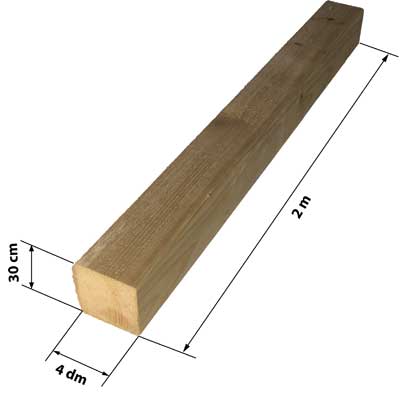 释义: 1. block, balcony => balk => balky.2. PIE *bhelg- "a thick plank, beam, plank" => PIE *bhlug- => block.3. PIE *bhelg- "a thick plank, beam, plank" => Proto-Germanic *balk- => balk, balcony.4. PIE *bhelg- "a thick plank, beam, plank" (cf. Latin fulcire "to prop up, support," fulcrum "bedpost").5. 木板所起的作用不外乎就是隔离、阻挡和支撑、支持两个作用。6. => ridge, bank.n. 障碍;错误vt. 阻止;推诿;错过vi. 犹豫;突然止步不前n. (Balk)人名;(英)鲍克;(瑞典)巴尔克;(法、德、俄、芬)巴尔克 例句: 1. To emancipate all mankind, we will balk at no sacrifice . even that of our lives.为了全人类的解放, 即使牺牲生命也在所不惜. balk 畏缩不前来自PIE *bhel(2), 膨胀,鼓,词源同bole, 树干,原指树干堆起来的障碍物,后指障碍,令人畏惧的东西。-k, 硬化音,表强调,比较hear, 听,hark, 听. balkbalk: [OE] There are two separate strands of meaning in balk, or baulk, as it is also spelled. When it first entered English in the 9th century, from Old Norse bálkr, it meant a ‘ridge of land, especially one between ploughed furrows’, from which the modern sense ‘stumbling block, obstruction’ developed. It is not until about 1300 that the meaning ‘beam of timber’ appears in English, although it was an established sense of the Old Norse word’s Germanic ancestor *balkon (source also of English balcony).The common element of meaning in these two strands is something like ‘bar’, which may have been present in the word’s ultimate Indo- European base *bhalg- (possible source of Greek phálagx ‘log, phalanx’).=> balcony, phalanxbalk (n.)Old English balca "ridge, bank," from or influenced by Old Norse balkr "ridge of land," especially between two plowed furrows, both from Proto-Germanic *balkon- (cognates: Old Saxon balko, Danish bjelke, Old Frisian balka, Old High German balcho, German Balken "beam, rafter"), from PIE *bhelg- "beam, plank" (cognates: Latin fulcire "to prop up, support," fulcrum "bedpost;" Lithuanian balziena "cross-bar;" and possibly Greek phalanx "trunk, log, line of battle"). Modern senses are figurative, representing the balk as a hindrance or obstruction (see balk (v.)). Baseball sense is first attested 1845.balk (v.)late 14c., "to leave an unplowed ridge when plowing," from balk (n.). Extended meaning "to omit, intentionally neglect" is mid-15c. Most modern senses are figurative, from the notion of a balk in the fields as a hindrance or obstruction: sense of "stop short" (as a horse confronted with an obstacle) is late 15c.; that of "to refuse" is 1580s. Related: Balked; balking." |