| 正面 | 8684.canon ['kænən]     |
|---|---|
| 背面 |     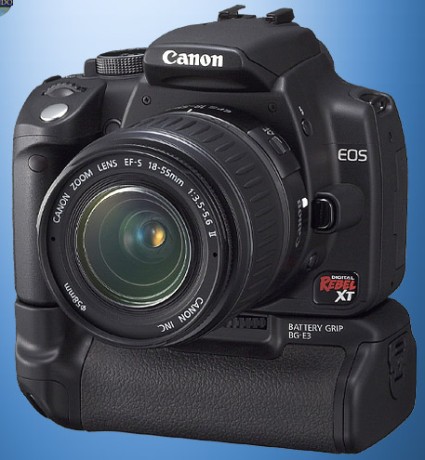 释义: 1. 卡农(Canon)并非曲名,而是一种曲式,卡农的字面上是“轮唱”的意思。2. 佳能可以说是相机行业的标杆、标准。3. which some have speculated may be related to Greek kanna 'reed', source of English cane (the semantic link is said to be 'reed' – 'rod' – 'measuring rod' – 'rule').n. 标准;教规;正典圣经;教士 例句: 1. Richard refused to trade in his old Canon cameras.理查德拒绝用他的旧佳能相机以旧换新。 canon 准则,精品,卡农曲来自cane, 芦苇,因古时用芦苇杆进行测量,因而引申词义标准,准绳,精品。 canoncanon: There are today two distinct words canon in English, although ultimately they are related. The older, ‘(ecclesiastical) rule’ [OE], comes via Latin canōn from Greek kanón ‘rule’, which some have speculated may be related to Greek kánnā ‘reed’, source of English cane (the semantic link is said to be ‘reed’ – ‘rod’ – ‘measuring rod’ – ‘rule’).The derived adjective, kanonikós, passed into ecclesiastical Latin as canonicus, which was used as a noun, ‘clergyman’; in Old French this became canonie or chanonie, and as it crossed into English its last syllable dropped off (owing to the influence of canon ‘rule’). The underlying sense of canon ‘clergyman’ [13] is thus ‘one living according to the rules of religious life’.canon (n.1)"church law," Old English canon, from Old French canon or directly from Late Latin canon "Church law," in classical Latin, "measuring line, rule," from Greek kanon "any straight rod or bar; rule; standard of excellence," perhaps from kanna "reed" (see cane (n.)). Taken in ecclesiastical sense for "decree of the Church." General sense of "standard of judging" is from c. 1600. Harold Bloom writes that "The secular canon, with the word meaning a catalog of approved authors, does not actually begin until the middle of the eighteenth century ...." ["The Western Canon," 1994]. Related: Canonicity.canon (n.2)"clergyman," c. 1200, from Anglo-French canun, from Old North French canonie (Modern French chanoine), from Church Latin canonicus "clergyman living under a rule," noun use of Latin adjective canonicus "according to rule" (in ecclesiastical use, "pertaining to the canon"), from Greek kanonikos, from kanon "rule" (see canon (n.1))." |