| 正面 | 7054.chess 英 [tʃes]美 [tʃɛs]     |
|---|---|
| 背面 |     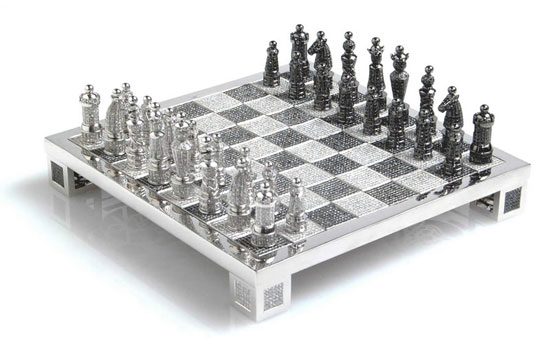 释义: 1. catch => cater => "catch one's need or desire".2. 谐音“给他”。3. cate 谐音“啃它” => cater.4. cat猫,er拼:耳。猫耳朵是一种北京小吃,但是迎合了很多人的胃口。5. => "provide food for"n. 国际象棋,西洋棋n. (Chess)人名;(英)切斯 例句: 1. "Do you play chess?" he asked, looking askance at Miguel.“你会下棋吗?”他斜睨着米格尔问道。 chess 棋子来自check在古法语中的复数形式。 chesschess: [13] The game of chess was named after its key move, in which the king is put in check. The plural of Old French eschec (from which we get check) was esches, which in Middle English became chess. (A roughly contemporary English term for the game was chequer, but this died out in the 15th century.) Old French eschec came ultimately from Persian shāh ‘king’, reflecting the game’s eastern origins. However, the terms for the game in Persian (chatrang) and Sanskrit (chaturanga) signify ‘four members of an army’ – namely, elephants, horses, chariots, and foot-soldiers.=> check, cheque, exchequerchess (n.)13c., from Old French esches "chessmen," plural of eschec "game of chess, chessboard; checkmate" (see check (n.1)), from the key move of the game. Modern French still distinguishes échec "check, blow, rebuff, defeat," from plural échecs "chess." The original word for "chess" is Sanskrit chaturanga "four members of an army" -- elephants, horses, chariots, foot soldiers. This is preserved in Spanish ajedrez, from Arabic (al) shat-ranj, from Persian chatrang, from the Sanskrit word.The chess pieces are the block alphabet which shapes thoughts; and these thoughts, although making a visual design on the chessboard, express their beauty abstractly, like a poem. [Marcel Duchamp, address to New York State Chess Association, Aug. 30, 1952]" |