| 正面 | 6711.drift 英 [drɪft]美 [drɪft]     |
|---|---|
| 背面 |     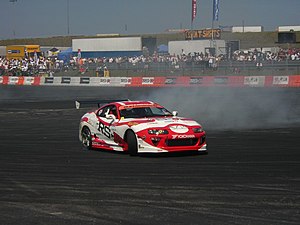 释义: 身体强壮(sturdy)是学习(study)的本钱n. 漂流,漂移;趋势;漂流物vi. 漂流,漂移;漂泊vt. 使…漂流;使…受风吹积 例句: 1. There was a drift of smoke above the trees.树林上空飘浮着一股烟。 drift 漂流来自drive, 驱动。 driftdrift: [13] Drift comes ultimately from the same Germanic base as produced drive, and etymologically means ‘driving or being driven’, but as far as we can tell it did not exist in Old English, and the word as we now have it is a borrowing from other Germanic languages. Its first recorded use is in the sense ‘snowdrift’, which points to Old Norse drift as the source, but later more general applications were probably reinforced by Dutch drift.=> drivedrift (n.)c. 1300, literally "a being driven" (of snow, etc.); not recorded in Old English; either a suffixed form of drive (v.) (compare thrift/thrive) or borrowed from Old Norse drift "snow drift," or Middle Dutch drift "pasturage, drove, flock," both from Proto-Germanic *driftiz (cognates: Danish and Swedish drift, German Trift), from PIE root *dhreibh- "to drive, push" (see drive (v.)). Sense of "what one is getting at" is from 1520s. Meaning "controlled slide of a sports car" attested by 1955.drift (v.)late 16c., from drift (n.). Figurative sense of "be passive and listless" is from 1822. Related: Drifted; drifting." |