| 正面 | 6738.lace 英 [leɪs]美 [les]     |
|---|---|
| 背面 |     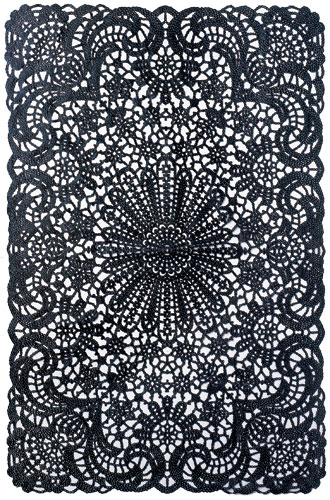 释义: 1. 谐音“蕾丝”----蕾丝边儿。2. 花边,英文lace,译为蕾丝。3. 音译“蕾丝”。n. 花边;鞋带;饰带;少量烈酒vt. 饰以花边;结带子vi. 系带子n. (Lace)人名;(意)拉切 例句: 1. I am wearing a plaid nightgown trimmed with white lace.我穿着一件带有白色蕾丝花边的格子呢睡衣。 lace 蕾线,花边,鞋带来自拉丁语lacere,引诱,诱惑,词源同delicious,elicit.引申词义罗网,陷阱,后指编织罗网的绳索,带子,后用于指蕾丝,花边等。 lacelace: [13] Lace originally meant ‘noose’ or ‘snare’, and its underlying semantic connections are not with ‘string’ or ‘thread’ but with ‘entrapment’ or ‘enticement’. Its ultimate source was Latin laqueus ‘noose’, which was related to the verb lacere ‘lure, deceive’ (source of English delicious and elicit). This passed into Vulgar Latin as *lacium, which in due course diversified into Italian laccio, Spanish lazo (source of English lasso [19]), and French lacs.It was the latter’s Old French predecessor, laz or las, that gave English lace. The sense ‘noose’ had died out by the early 17th century, but by then it had already developed via ‘string, cord’ to ‘cord used for fastening clothes’. ‘Open fabric made of threads’ emerged in the mid-16th century. Latch [14] is thought to be distantly related.=> delicious, elicit, lasso, latchlace (n.)early 13c., laz, "cord made of braided or interwoven strands of silk, etc.," from Old French laz "a net, noose, string, cord, snare" (Modern French lacs), from Vulgar Latin *lacium, from Latin laqueum (nominative laqueus) "noose, snare" (source also of Italian laccio, Spanish lazo), a trapping and hunting term, probably from Italic base *laq- "to ensnare" (compare Latin lacere "to entice"). Later also "net, noose, snare" (c. 1300); and "piece of cord used to draw together the edges of slits or openings in an article of clothing" (late 14c., as in shoelace). The "ornamental net pattern" meaning is first recorded 1550s. As an adjective, lace-curtain "middle class" (or lower-class with middle-class pretensions), usually is used in reference to Irish-Americans, is attested by 1928.lace (v.)c. 1200, "fasten (clothing, etc.) with laces and ties," from Old French lacier, from laz (see lace (n.)). Also "tighten (a garment) by pulling its laces" (early 14c.). To lace coffee, etc., with a dash of liquor (1670s) originally was used of sugar, and comes via the notion of "to ornament or trim." Related: Laced; lacing. Laced mutton was "an old word for a whore" [Johnson]." |